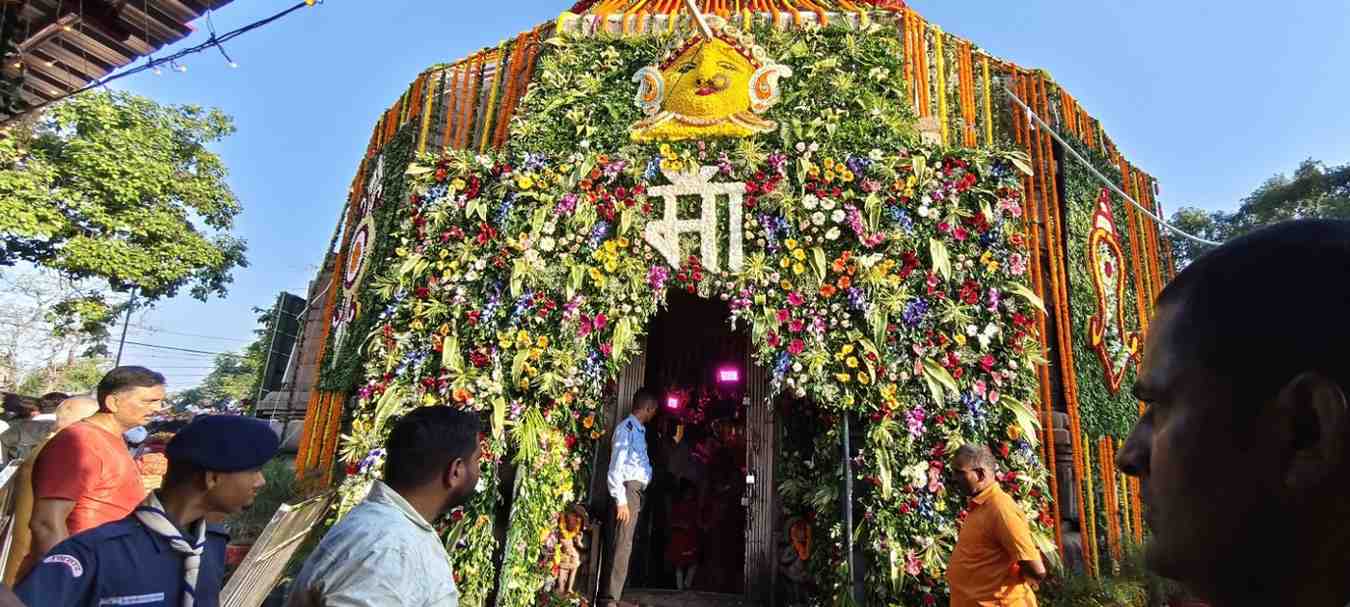
Maa Mundeshwari Temple, located on the sacred Mundeshwari Hills in the Kaimur district of Bihar, is one of India's most remarkable ancient temples. Known as one of the oldest continuously worshipped Hindu temples in the country, it attracts thousands of devotees, historians, archaeologists, and tourists every year. While its historical importance is widely recognized, the temple is equally famous for its mysteries, unique architecture, and centuries-old traditions that continue to fascinate visitors.
Surrounded by peaceful hills and natural beauty, the temple is dedicated to Maa Mundeshwari, a powerful form of Goddess Durga, while Lord Shiva is also worshipped inside the same temple complex. This rare combination, along with the temple's octagonal architecture and ancient inscriptions, has made it one of Bihar's most important pilgrimage destinations.
1. Is It Really One of India's Oldest Functional Temples?
Maa Mundeshwari Temple is widely regarded as one of the oldest continuously worshipped Hindu temples in India. Archaeological studies suggest that the temple dates back many centuries, and worship has continued here without interruption. Because religious rituals are still performed daily, many historians describe it as one of the world's oldest functional Hindu temples.
The temple has survived the rise and fall of several kingdoms, natural weathering, and changing historical periods, yet it continues to remain an active place of worship.
2. The Mystery Behind the Octagonal Design
Unlike most Hindu temples, which are generally square or rectangular, Maa Mundeshwari Temple has a rare octagonal structure. Historians believe this design demonstrates advanced architectural knowledge, but no definitive historical record explains why this unusual shape was chosen.
The balanced symmetry and strong stone construction have helped the temple survive for centuries, making it an outstanding example of ancient Indian architecture.
3. Worship of Maa Durga and Lord Shiva Together
One of the temple's most unique characteristics is that devotees worship both Maa Mundeshwari, a form of Goddess Durga, and the sacred Panchmukhi Shivling inside the same temple. This rare tradition represents the harmony of Shakti and Shiva and attracts followers from different spiritual traditions.
4. The Symbolic Sacrifice Tradition
Maa Mundeshwari Temple is known for a unique symbolic sacrifice ritual. Today, symbolic offerings represent devotion while preserving an ancient local tradition. This distinctive practice has made the temple one of Bihar's most discussed spiritual destinations.
5. Ancient Stone Carvings
The temple is decorated with beautifully carved pillars, sculptures, and stone artwork created by skilled craftsmen centuries ago. Many of these carvings remain remarkably well preserved and provide valuable insight into early Indian temple architecture.
Visitors interested in history and archaeology often spend hours studying these impressive carvings and sculptures.
6. Protected by the Archaeological Survey of India
Because of its exceptional historical and cultural value, Maa Mundeshwari Temple is protected by the Archaeological Survey of India (ASI). Conservation work helps preserve the ancient structure, inscriptions, and sculptures so that future generations can continue to appreciate this priceless heritage.
Researchers continue to study the temple to understand its construction techniques, historical development, and religious significance.
```html7. Why Do Thousands of Devotees Visit During Navratri?
Every year, during Chaitra Navratri and Sharadiya Navratri, Maa Mundeshwari Temple witnesses a huge influx of devotees from Bihar, Uttar Pradesh, Jharkhand, and other parts of India. Devotees believe that worshipping Maa Mundeshwari during Navratri brings prosperity, good health, courage, and protection from negative influences.
The temple is beautifully decorated during these festivals, and special prayers, bhajans, and religious ceremonies create a spiritually uplifting atmosphere. The peaceful surroundings of the Kaimur Hills further enhance the devotional experience.
8. A Peaceful Spiritual Destination
Located on the scenic Mundeshwari Hills, the temple offers breathtaking views of the surrounding landscape. The fresh air, green hills, and peaceful atmosphere make it an ideal place for meditation and spiritual reflection. Many visitors describe their visit as both spiritually enriching and mentally refreshing.
Unlike many crowded pilgrimage sites, Maa Mundeshwari Temple allows visitors to experience devotion in a calm and serene environment throughout most of the year.
9. Ancient Legends Associated with Maa Mundeshwari
According to local traditions, Maa Mundeshwari is worshipped as a powerful form of Goddess Durga who protects devotees from evil and removes obstacles from their lives. Many local stories describe miraculous experiences of devotees who visited the temple with sincere faith and later felt that their prayers were answered.
Although these stories belong to local religious traditions rather than verified historical records, they remain an important part of the temple's spiritual identity and continue to inspire countless pilgrims.
10. Unsolved Historical Questions
Despite decades of archaeological research, many questions about Maa Mundeshwari Temple remain unanswered. Historians continue to debate the exact period of its construction, the dynasty responsible for building it, and the reasons behind its unique octagonal architecture.
Ancient inscriptions discovered around the temple provide valuable historical information, but several aspects of its origin continue to be researched by archaeologists and historians.
11. What Makes the Temple Spiritually Unique?
The temple stands out because it represents the worship of both Shakti and Shiva in a single sacred complex. Devotees offer prayers to Maa Mundeshwari as well as Lord Shiva, creating a rare spiritual tradition that has continued for centuries.
This combination of ancient history, uninterrupted worship, peaceful surroundings, and deep religious faith makes the temple one of Bihar's most important spiritual destinations.
12. Scientific and Archaeological Perspective
The Archaeological Survey of India (ASI) recognizes Maa Mundeshwari Temple as a monument of great historical significance. Experts continue to study its architectural style, stone carvings, inscriptions, and construction techniques to better understand the development of early Hindu temple architecture in India.
Ongoing conservation efforts ensure that this priceless heritage remains preserved for future generations while allowing pilgrims and tourists to continue experiencing its historical and spiritual beauty.
Conclusion
Maa Mundeshwari Temple is far more than an ancient monument. It represents India's rich cultural heritage, remarkable architectural achievements, and centuries of uninterrupted religious devotion. Whether you visit for spiritual blessings, historical exploration, or simply to admire its peaceful surroundings, the temple offers a truly unforgettable experience.
Its mysteries, legends, and historical importance continue to attract devotees, historians, and travelers from across the country, making Maa Mundeshwari Temple one of Bihar's greatest spiritual treasures.
Frequently Asked Questions
Why is Maa Mundeshwari Temple considered mysterious?
The temple is famous for its ancient architecture, symbolic rituals, local legends, and several historical questions that are still being researched.
Where is Maa Mundeshwari Temple located?
Maa Mundeshwari Temple is located on the Mundeshwari Hills in the Kaimur district of Bihar, India.
What is the best time to visit Maa Mundeshwari Temple?
The best time to visit is between October and March, especially during Chaitra and Sharadiya Navratri when the temple celebrates special religious events.
Who protects Maa Mundeshwari Temple?
The Archaeological Survey of India (ASI) is responsible for protecting and preserving this ancient monument.