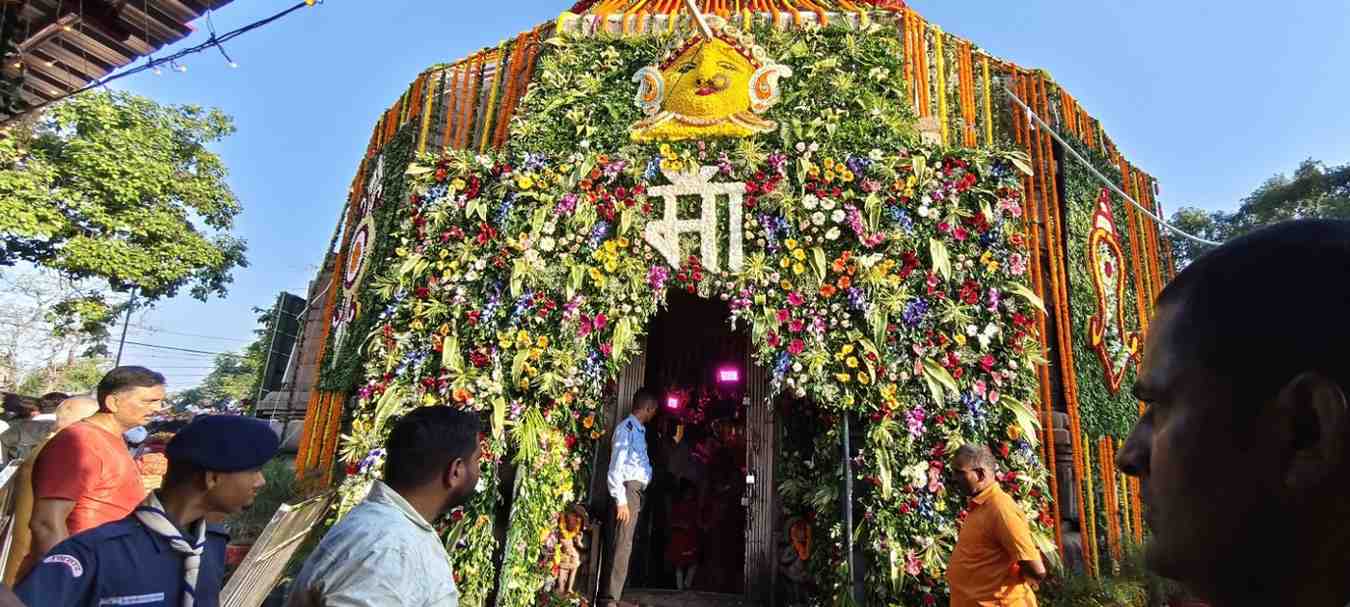
Maa Mundeshwari Temple in Bihar is one of the most fascinating ancient temples in India. Located on the peaceful Mundeshwari Hills in Kaimur district, this sacred temple attracts thousands of devotees, historians, and travelers every year. Besides its historical importance, the temple is surrounded by several mysteries and local legends that continue to attract people's curiosity.
1. Is It Really One of India's Oldest Functional Temples?
Maa Mundeshwari Temple is widely regarded as one of the oldest continuously worshipped Hindu temples in India. Archaeological studies suggest that the temple dates back many centuries, and worship has continued here without interruption, making it unique among ancient temples.
2. The Mystery Behind the Octagonal Design
Most Hindu temples are built in square or rectangular shapes, but Maa Mundeshwari Temple has a rare octagonal structure. Historians believe this design reflects advanced architectural knowledge, although the exact reason behind choosing this shape is still debated.
3. Worship of Maa Durga and Lord Shiva Together
One of the temple's unique features is that devotees worship both Maa Mundeshwari, a form of Goddess Durga, and the sacred Panchmukhi Shivling within the same temple complex. This combination makes the temple spiritually significant for followers of both Shakti and Shiva traditions.
4. The Symbolic Sacrifice Tradition
The temple is known for its symbolic sacrifice ritual. Today, devotees perform symbolic offerings as part of the tradition, reflecting devotion while preserving a long-standing local custom.
5. Ancient Stone Carvings
The walls, pillars, and sculptures of the temple display remarkable stone carvings that showcase the artistic excellence of ancient Indian craftsmen. These carvings continue to be studied by archaeologists and history enthusiasts.
6. Protected by the Archaeological Survey of India
Because of its immense historical value, Maa Mundeshwari Temple is protected by the Archaeological Survey of India (ASI). Conservation work has helped preserve the temple for future generations.
7. Why Do Thousands of Devotees Visit During Navratri?
During Chaitra and Sharadiya Navratri, the temple becomes one of Bihar's most important pilgrimage destinations. Devotees believe that prayers offered during these festivals bring peace, prosperity, and blessings from Maa Mundeshwari.
8. A Peaceful Spiritual Destination
Situated on the scenic Kaimur Hills, the temple offers a peaceful atmosphere away from city life. Many visitors describe the location as ideal for meditation, spiritual reflection, and experiencing the beauty of nature.
```html9. Ancient Legends Associated with Maa Mundeshwari
According to local traditions, Maa Mundeshwari is worshipped as a powerful form of Goddess Durga who protects devotees from evil and negativity. Many people believe that sincere prayers offered at the temple bring peace, courage, and prosperity. Over the centuries, numerous legends have become associated with the temple, making it one of Bihar's most spiritually respected pilgrimage sites.
Local residents also share stories of devotees whose wishes were fulfilled after visiting the temple during Navratri. Although these accounts are based on personal faith and tradition rather than historical evidence, they remain an important part of the temple's cultural heritage.
10. Unsolved Historical Questions
Despite extensive archaeological studies, several questions about Maa Mundeshwari Temple remain unanswered. Historians continue to debate the exact year of its construction, the dynasty responsible for building the temple, and the reasons behind its rare octagonal architecture. Ancient inscriptions found around the temple provide valuable clues, but many aspects of its history are still being researched.
These unanswered questions have made Maa Mundeshwari Temple an interesting subject for historians, archaeologists, and researchers interested in India's ancient civilization.
11. What Makes the Temple Spiritually Unique?
Unlike many temples dedicated to a single deity, Maa Mundeshwari Temple is unique because devotees worship both Maa Mundeshwari, a form of Goddess Durga, and Lord Shiva within the same temple complex. This rare combination represents the harmony of Shakti and Shiva, attracting followers of both traditions throughout the year.
The peaceful atmosphere of the Kaimur Hills, along with centuries of uninterrupted worship, gives the temple a special spiritual identity that continues to inspire pilgrims from different parts of India.
12. Scientific and Archaeological Perspective
Experts from the Archaeological Survey of India (ASI) consider Maa Mundeshwari Temple one of the country's most significant ancient monuments. The temple's stone carvings, architectural design, and inscriptions provide valuable information about early temple construction techniques in India. Ongoing conservation work helps preserve this important cultural heritage for future generations.
Researchers continue to study the temple to better understand its construction methods, historical development, and religious significance.
Conclusion
Maa Mundeshwari Temple is much more than an ancient monument. It represents a unique blend of history, faith, architecture, and living tradition. Whether visitors come for spiritual blessings, historical exploration, or architectural appreciation, the temple offers an unforgettable experience. Its enduring mysteries and centuries-old traditions continue to make it one of Bihar's most remarkable pilgrimage destinations.
```Frequently Asked Questions
Why is Maa Mundeshwari Temple considered mysterious?
The temple is associated with ancient architecture, centuries-old traditions, symbolic rituals, and local legends, making it one of Bihar's most fascinating spiritual sites.
Where is Maa Mundeshwari Temple located?
The temple is located on the Mundeshwari Hills in the Kaimur district of Bihar, India.
What is the best time to visit?
The months between October and March, especially during Navratri, are considered the best time to visit Maa Mundeshwari Temple.